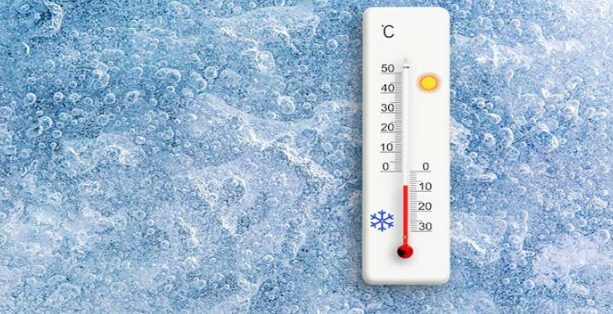
When people ask, “What temperature is freezing?” the answer might seem simple, but there is more to it than just a number. In science, the freezing point is the temperature at which a liquid changes into a solid. For water, the most common liquid in daily life, freezing occurs at 32 degrees Fahrenheit (0 degrees Celsius) under normal conditions. This means that when the air temperature drops to or below this level, water will start turning into ice.
But freezing temperatures affect more than just water. Different substances freeze at different temperatures. Understanding what temperature is freezing helps us prepare for cold weather, protect our homes, and even cook better. This guide will break down everything you need to know about freezing temperatures, from science basics to practical everyday impacts.
Table of Contents
The Science Behind Freezing
Freezing happens when molecules slow down enough that they can no longer move freely. Instead, they lock into place, forming a solid. For water, this transformation occurs at 0°C (32°F). This point is used as a reference in many scientific systems, which is why you often hear it called the “freezing point of water.”
However, factors like air pressure and impurities can slightly change the freezing point. For example, water with salt in it, like seawater, freezes at a lower temperature (around -2°C or 28°F). That’s why oceans don’t freeze as easily as lakes or rivers.
What Temperature Is Freezing in Fahrenheit and Celsius?
- Celsius (°C): 0 degrees
- Fahrenheit (°F): 32 degrees
- Kelvin (K): 273.15
These three units are often used in science, weather, and daily life. The Celsius and Kelvin systems are widely used internationally, while Fahrenheit is common in the United States. Regardless of the scale, the freezing point of pure water remains the same.
Why 32 Degrees Fahrenheit Equals Freezing
The Fahrenheit system was developed in the early 1700s by Daniel Gabriel Fahrenheit. He chose 32°F as the freezing point of water and 212°F as the boiling point under normal atmospheric pressure. This system divides the range between freezing and boiling into 180 equal parts, which became degrees Fahrenheit.
While Celsius feels more straightforward (0° for freezing and 100° for boiling), many people still use Fahrenheit because it gives smaller degree increments, which can feel more precise.
Factors That Affect Freezing Temperature
Although we often say freezing is at 32°F (0°C), the actual temperature at which freezing occurs can vary. Some factors that affect it include:
- Impurities in the liquid – Adding salt, sugar, or other substances lowers the freezing point. This is called freezing point depression.
- Air pressure – At higher altitudes where pressure is lower, the freezing point may shift slightly.
- Supercooling – Pure water without impurities can sometimes cool below 0°C (32°F) without freezing, staying liquid until disturbed.
Freezing Point of Common Substances
Not all substances freeze at the same temperature as water. Here are some examples:
- Water: 32°F (0°C)
- Seawater: 28°F (-2°C)
- Alcohol (Ethanol): -173°F (-114°C)
- Mercury: -38°F (-39°C)
- Olive Oil: 21°F (-6°C)
This explains why alcohol-based solutions are often used in thermometers and why road salt works to melt ice in winter.
How Freezing Temperatures Affect Daily Life
Freezing temperatures impact our daily lives in many ways. Here are a few examples:
- Weather and Safety: Freezing temperatures bring snow, ice, and frost. These conditions make driving dangerous, increase energy bills, and affect outdoor activities.
- Home Maintenance: Pipes can burst if water inside them freezes and expands. Homeowners often insulate plumbing or keep a trickle of water flowing to prevent damage.
- Food Storage: Freezing is one of the best ways to preserve food. Freezers typically keep temperatures around 0°F (-18°C), much colder than the standard freezing point of water, to ensure safety.
- Health: Extremely cold weather can cause frostbite and hypothermia. Knowing when temperatures are freezing helps people take precautions.
Freezing in Cooking and Food Science
Understanding what temperature is freezing is also important in cooking. For instance:
- Ice Cream: Salt is often added to the ice around homemade ice cream containers. This lowers the freezing point, making the mixture colder and helping the cream freeze faster.
- Frozen Vegetables and Meat: Freezing locks in nutrients and prevents spoilage. The colder the temperature, the longer food can be preserved.
Freezing vs. Frost
Many people confuse freezing with frost. Freezing happens when temperatures drop to 32°F (0°C) or below, turning liquid water into ice. Frost, on the other hand, forms when water vapor in the air directly changes into ice crystals on surfaces like grass, windows, and cars.
Interestingly, frost can form even when the air temperature is slightly above freezing, because surfaces cool more quickly than the air around them.
How to Protect Yourself and Property in Freezing Temperatures
Since freezing weather can cause problems, it’s important to prepare. Some safety tips include:
- Wear layers of clothing, gloves, and hats to prevent heat loss.
- Insulate water pipes in basements, attics, and crawl spaces.
- Keep sidewalks and driveways salted or sanded to prevent slips.
- Check car antifreeze levels and tire pressure before driving in freezing weather.
Global Perspective on Freezing Temperatures
Different parts of the world experience freezing differently:
- Polar Regions: Freezing is constant. Water and soil stay frozen for most of the year.
- Temperate Zones: Freezing happens seasonally, often during winter.
- Tropical Zones: Freezing is rare, usually only in high mountain areas.
This global variation explains why people living near the equator may never experience freezing, while those in Canada or Siberia live with it for months at a time.
Importance of Knowing Freezing Temperature
Knowing what temperature is freezing helps with:
- Weather forecasts – Understanding when snow or ice will form.
- Travel planning – Deciding whether roads may be icy.
- Science and education – Teaching a key concept in chemistry and physics.
- Daily safety – Protecting people, pets, and property during cold conditions.
Conclusion
So, what temperature is freezing? The simple answer is 32°F (0°C) for pure water at normal air pressure. But in reality, freezing is influenced by salt, impurities, and even air pressure. Freezing temperatures play a vital role in weather, science, food storage, and safety. Whether you’re preventing frozen pipes, storing food, or just curious about how the world works, understanding freezing temperatures gives you valuable knowledge.
FAQs
Q1: What temperature is freezing in Fahrenheit and Celsius?
Freezing occurs at 32°F (0°C).
Q2: Can water freeze above 32°F?
Not usually, but frost can form on surfaces when temperatures are just above freezing.
Q3: Why does salt lower the freezing point?
Salt disrupts the bonding of water molecules, causing water to freeze at a lower temperature.
Q4: What is the freezing temperature of seawater?
Seawater freezes at around 28°F (-2°C) because of its salt content.
Q5: Can humans survive freezing temperatures?
Yes, with proper clothing and shelter. However, prolonged exposure without protection can lead to hypothermia or frostbite.