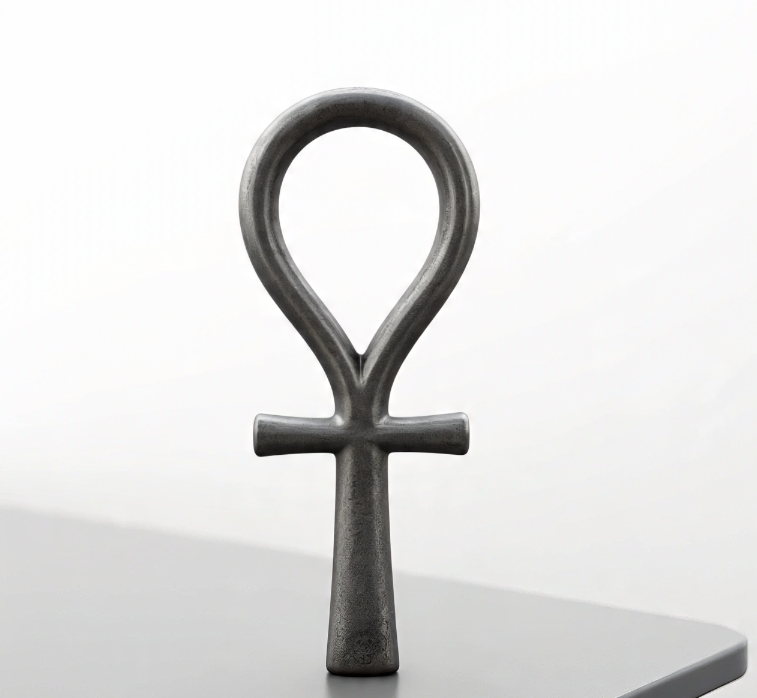
The ankh, often referred to as the “key of life,” is one of ancient Egypt’s most iconic symbols. Its distinctive shape—a cross with a loop at the top—has transcended millennia, representing life, immortality, and divine power. This symbol was not merely decorative; it was deeply woven into the spiritual and cultural fabric of ancient Egyptian society.
What Is the Ankh
The ankh is a hieroglyphic character used in ancient Egyptian writing. Its form—a loop atop a vertical and horizontal line—resembles a cross with a teardrop-shaped loop. The symbol is pronounced as “Ꜥnḫ” and translates to “life” or “living.” It appears frequently in Egyptian art and inscriptions, often held by gods and pharaohs, signifying their power to bestow life and immortality.
Symbolism and Significance
Life and Immortality
At its core, the ankh symbolizes life. It was believed to represent both physical existence and the eternal life of the soul. In tombs and funerary art, the ankh was depicted to ensure the deceased’s safe passage into the afterlife and to grant them eternal life.
Divine Power and Protection
The ankh was also a symbol of divine power. Gods and goddesses, such as Ra, Isis, and Osiris, are often shown holding the ankh, offering it to pharaohs or other deities. This gesture signified the transfer of life force and protection. The ankh was considered a powerful amulet, believed to ward off evil and grant its bearer strength and vitality.
Elements of Nature
Beyond life, the ankh was associated with essential elements that sustain existence. It symbolized water, air, and the sun—forces that were integral to life in ancient Egypt. In artistic depictions, gods are often shown holding the ankh to the nose of the pharaoh, representing the “breath of life.”
The Ankh in Art and Architecture
The ankh was prevalent in Egyptian art and architecture. It adorned temples, tombs, and monuments, often inscribed in hieroglyphs or sculpted into stone. Artists depicted the ankh in various forms, from simple carvings to elaborate jewelry and ceremonial objects. Its presence in these works underscored its importance as a symbol of life and divine favor.
The Ankh in Modern Culture
In contemporary times, the ankh has experienced a resurgence in popularity. It is commonly seen in jewelry, tattoos, and fashion, often as a statement of cultural identity or spiritual belief. The symbol’s association with life and immortality resonates with many, making it a powerful emblem in modern spiritual and cultural contexts.
Conclusion
The ankh stands as a testament to the enduring legacy of ancient Egyptian civilization. Its symbolism of life, immortality, and divine power continues to resonate across cultures and eras. Whether in ancient tombs or modern adornments, the ankh remains a powerful emblem of existence and eternity.
Faqs
- What does the ankh symbolize?
The ankh symbolizes life, immortality, and divine power. It represents both physical existence and the eternal life of the soul in ancient Egyptian belief.
- Where was the ankh commonly found?
The ankh was commonly found in tombs, temples, and monuments throughout ancient Egypt. It was often inscribed in hieroglyphs or sculpted into stone, adorning walls and artifacts.
- Who used the ankh symbol?
The ankh was used by pharaohs, gods, and common people. It was depicted in art and inscriptions, often held by deities or offered to pharaohs, signifying the transfer of life force.
- Is the ankh related to the Christian cross?
While the ankh and the Christian cross share a similar shape, they have distinct origins and meanings. The ankh predates Christianity and is rooted in ancient Egyptian symbolism, representing life and immortality.
- How is the ankh used in modern times?
In modern times, the ankh is used in jewelry, tattoos, and fashion. It serves as a statement of cultural identity, spiritual belief, or appreciation for ancient Egyptian heritage.