Introduction
The global economy is undergoing a transformation that places skills and competencies at the forefront of opportunity. Traditional markers of achievement—university degrees, lengthy resumes, and institutional prestige—are being reevaluated in light of rapidly evolving industries. Employers, policymakers, and educators now recognize that the path to success must accommodate diverse routes, varied experiences, and multiple ways of proving value.
In this new environment, the challenge lies not only in acquiring skills but also in ensuring that those skills are visible, validated, and understood across contexts. A growing number of frameworks, initiatives, and cultural shifts are redefining how we recognize qualifications, measure performance, and empower individuals.
This article explores the evolution of recognition systems, the importance of demonstrable qualifications, the role of innovation in credentialing, and the opportunities that arise when inclusivity is placed at the center of workforce development. Concepts such as candidates recognized qualifications demonstrate letsbuildup help illustrate how validation of skills and competencies is essential for building a more equitable and future-ready society.
The Changing Landscape of Work
The world of work has never been static, but the pace of change in recent decades has accelerated dramatically. Globalization, digital transformation, and automation have reshaped industries. Remote work, gig economies, and hybrid models are blurring traditional boundaries between full-time employment and freelance engagement.
Employers now seek workers who can adapt quickly, learn continuously, and contribute beyond narrow job descriptions. In turn, job seekers are demanding recognition for skills developed outside of formal education—through volunteering, internships, or personal projects.
The tension between traditional credentials and demonstrable skills underscores why frameworks like candidates recognized qualifications demonstrate letsbuildup are so important. They highlight the need for systems that validate diverse experiences without devaluing traditional academic pathways.
Historical Perspectives on Recognition
For centuries, formal education was the primary path careers letsbuildup toward recognized achievement. Universities, guilds, and professional associations controlled entry into professions, often restricting participation to select groups. Degrees and certificates functioned as symbols of both knowledge and social status.
In the 20th century, rapid industrialization and the rise of corporate employment strengthened this reliance on formal credentials. Human resources departments often used degrees as proxies for competence, even when actual job performance depended on unrelated skills.
However, cracks in this system began to show as industries diversified. The rise of technology startups, creative fields, and entrepreneurial ventures revealed that many highly capable individuals lacked conventional credentials yet excelled in real-world applications. Efforts to expand recognition beyond degrees emerged, paving the way for competency-based education, micro-credentials, and digital badges.
The emphasis in frameworks like candidates recognized qualifications demonstrate letsbuildup reflects this historical shift: moving from rigid, one-size-fits-all recognition to inclusive, flexible validation of skills and experiences.
Core Elements of Skills Recognition
To understand how recognition systems function, it is helpful to break them into key components:
Transparency
Employers and individuals must understand what a qualification represents. Clear descriptions of skills, levels, and competencies foster trust.
Portability
Credentials should be usable across industries, regions, and even countries. Portability ensures that qualifications remain relevant beyond local contexts.
Accessibility
Systems must be accessible to all, including nontraditional learners, marginalized groups, and those with limited access to formal education.
Verification
Trust in recognition depends on secure, credible methods of verification. Digital technologies, such as blockchain, are increasingly used to protect credential integrity.
Relevance
Qualifications must align with real-world needs. Outdated or overly theoretical systems undermine confidence and fail to prepare workers effectively.
The guiding principle behind candidates recognized qualifications demonstrate letsbuildup aligns with these elements: skills and achievements should not only exist but also be visible, verifiable, and valuable across multiple contexts.
The Role of Technology in Credentialing
Technological innovation is central to reshaping recognition systems.
Digital Badges
Digital badges allow learners to display specific skills, often verified by institutions or employers. They provide granular recognition beyond broad degrees.
Blockchain Credentials
Blockchain offers tamper-proof verification of achievements, ensuring that qualifications cannot be falsified or misrepresented.
Artificial Intelligence
AI helps match candidates with opportunities by analyzing detailed skill profiles rather than relying on broad categories like degree type.
E-Portfolios
Online portfolios allow individuals to showcase projects, work samples, and multimedia evidence of skills. This personalized documentation provides context that traditional resumes lack.
These innovations make it possible to operationalize the vision expressed in candidates recognized qualifications demonstrate letsbuildup, where diverse qualifications can be recognized, trusted, and effectively demonstrated in professional environments.
Inclusivity in Recognition Systems

One of the most pressing issues in workforce development is inclusivity. Traditional systems often disadvantage groups that lack access to elite institutions or standardized educational pathways.
Recognition of prior learning (RPL), competency-based assessments, and experiential validation are critical for addressing inequality. They allow individuals to demonstrate value regardless of where or how they acquired skills.
For example, a refugee with significant professional experience in healthcare may lack the paperwork to prove formal qualifications. Inclusive recognition systems can assess competencies directly, enabling faster integration into the workforce.
By emphasizing inclusive validation, approaches like candidates recognized qualifications demonstrate letsbuildup highlight the potential to empower individuals who might otherwise be overlooked.
Employers and the Demand for Skills
Employers are pivotal actors in recognition ecosystems. Their hiring practices determine which qualifications carry weight and how opportunities are distributed.
Increasingly, companies are shifting from degree-based filters to skills-based hiring. Job postings now emphasize competencies such as problem-solving, digital literacy, collaboration, and adaptability.
This evolution reflects not only a labor market shortage but also a recognition that formal degrees do not always predict success. Companies such as multinational technology firms have eliminated degree requirements for many roles, focusing instead on demonstrable ability.
Frameworks like candidates recognized qualifications demonstrate letsbuildup align with these employer trends, providing language and tools to evaluate skills fairly and comprehensively.
Education’s Response to Changing Demands
Educational institutions face mounting pressure to adapt. Universities and colleges remain influential, but they must integrate new methods of credentialing.
Modular Learning
Short courses and micro-credentials allow learners to build qualifications step by step, creating stackable pathways.
Industry Partnerships
Collaboration with businesses ensures that curricula remain relevant to evolving job markets.
Lifelong Learning
Institutions are increasingly supporting adult learners, recognizing that education is not confined to early life but continues throughout careers.
Alternative Pathways
Programs offering credit for prior experience or practical work allow learners to demonstrate competence without starting from scratch.
By aligning with frameworks like candidates recognized qualifications demonstrate letsbuildup, educators can bridge traditional systems with modern demands, preparing students for a dynamic future.
Societal Benefits of Recognition
When recognition systems function effectively, the benefits extend beyond individuals and employers.
Economic Growth
Efficient recognition ensures that talent is fully utilized, boosting productivity and innovation.
Social Mobility
Inclusive credentialing creates pathways for disadvantaged groups to improve economic standing.
Civic Engagement
When individuals feel valued for their contributions, they are more likely to engage positively in society.
Global Collaboration
Internationally recognized qualifications facilitate mobility, enabling talent to flow where it is most needed.
The societal benefits envisioned by candidates recognized qualifications demonstrate letsbuildup reinforce the idea that recognition is not merely about jobs but about broader human development.
Challenges and Risks
Despite progress, several challenges hinder the full realization of recognition systems.
Fragmentation
Too many overlapping systems can confuse employers and learners. Standardization is essential for trust.
Equity Concerns
While inclusivity is a goal, disparities in access to digital tools or recognition opportunities may perpetuate inequality.
Employer Skepticism
Some employers remain cautious about newer forms of credentials, preferring traditional degrees until new systems prove their reliability.
Credential Inflation
As more micro-credentials emerge, the value of each may diminish, requiring constant recalibration of standards.
Addressing these risks requires coordinated effort, a principle echoed in the philosophy of candidates recognized qualifications demonstrate letsbuildup, which calls for coherence, trust, and broad adoption.
Case Studies in Recognition
Technology Sector
The technology industry has been at the forefront of skills-based hiring. Coding bootcamps, portfolio-based recruitment, and project challenges demonstrate how nontraditional pathways can succeed.
Healthcare
Healthcare has long relied on strict credentialing. However, new models are emerging to validate experience for caregivers and nurses in global migration contexts.
Creative Industries
Portfolios have always been central in art and design, showing that demonstrable work often carries more weight than formal degrees.
These examples highlight that diverse approaches to recognition already exist in practice, aligning with the inclusive vision of candidates recognized qualifications demonstrate letsbuildup.
Future Directions
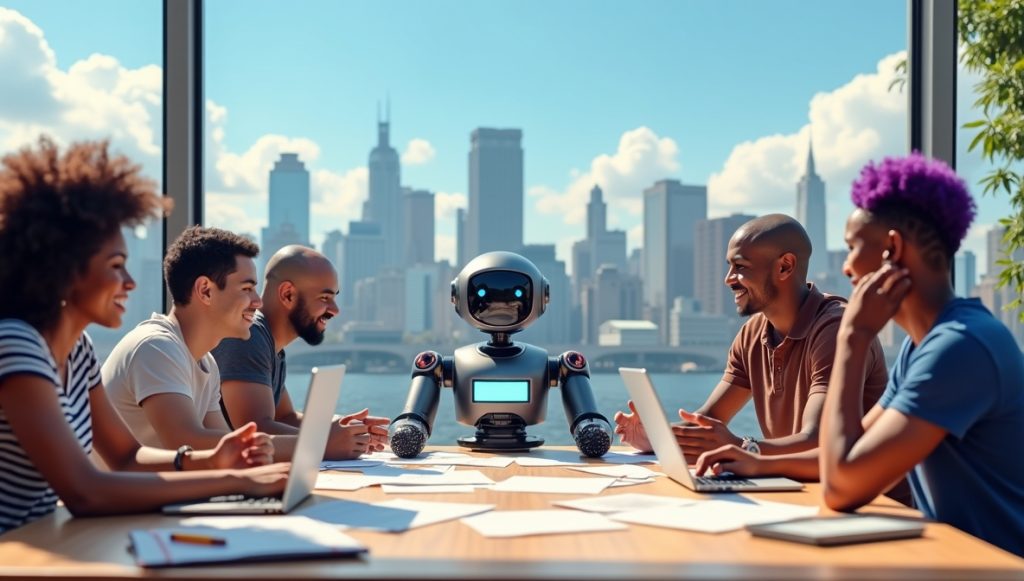
Looking ahead, recognition systems are poised for continued innovation and integration.
Global Standards
International bodies may develop frameworks to harmonize recognition across borders.
AI-Powered Validation
Automated systems could assess performance in real time, generating credentials dynamically.
Greater Personalization
Recognition systems will adapt to individual learning paths, ensuring qualifications reflect personal strengths.
Emphasis on Soft Skills
Future recognition will include not only technical expertise but also emotional intelligence, creativity, and collaboration.
These developments reflect the forward-looking perspective of candidates recognized qualifications demonstrate letsbuildup, emphasizing adaptability and relevance in an uncertain world.
Conclusion
The future of work demands new ways of recognizing and validating skills. Traditional degrees and certificates remain important, but they are no longer sufficient to capture the full spectrum of human capability. Inclusivity, transparency, and innovation must guide the design of recognition systems that empower individuals and meet employer needs.
Frameworks such as candidates recognized qualifications demonstrate letsbuildup symbolize the shift toward a more holistic, equitable, and practical approach. By validating diverse pathways, they bridge gaps between education, employment, and society at large.
Ultimately, recognition is about more than jobs—it is about dignity, opportunity, and the collective progress of humanity. Building systems that honor this truth ensures that talent everywhere can shine, regardless of background, circumstance, or traditional markers of achievement.