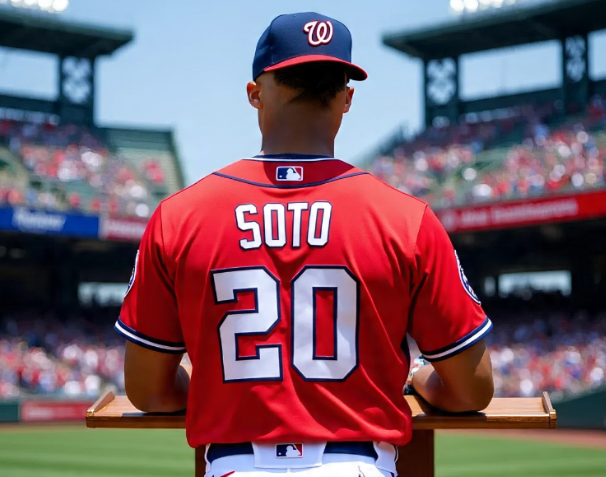
juan soto trade is a big idea in baseball today. Many people talk about who might get him and what a team will give up. Juan Soto is a top hitter who can change a game with one swing. Teams think about now and later when they talk trades. A trade can help a team score more runs and win more games. It can also change the team’s lineup and how fans feel. Managers look at stats and money to decide. Scouts watch minor league players and pitchers too. Fans read news, cheer, or get upset online. My goal is to explain the main facts in simple words. I will use short lines so it is easy to read. This post will show who might win, who might lose, and what to watch. By the end you will know the main points and some clear tips for fans and young writers. today
juan soto trade questions make headlines fast. Teams with money can buy bat power now. Teams with many young stars may trade future talent for one big name. A good trade must balance hitting skill, pitching depth, and team plans. Clubs check Soto’s contract, age, and how many years he might stay. They ask: will he fit the team and help them win? Local fans feel hope or worry when names appear in news. Analysts look at on-base, slugging, and other easy stats to compare players. They also check how many good pitchers and prospects a team has. A strong offer might include two top prospects, a starting pitcher, and money help. Some teams keep young players to grow later. Others trade to win right now. Think of a trade as a big swap: one team gets a star bat, the other gets more players to build the future. I will give clear examples and simple steps so fans can understand offers. Read on for sample trade ideas and a short plan for fans.
atting order can look weaker. Without him, there is less fear for pitchers. Other hitters may face more pressure since the star is gone. This is why fans feel nervous when their team trades away a star. It changes the way the team plays every single game.
Table of Contents
Key stats to check before a juan soto trade
Before a juan soto trade happens, managers and scouts look at important stats. The first stat is on-base percentage (OBP), which shows how often Soto gets on base. The higher this number, the more runs a team can score. Another big stat is slugging percentage (SLG), which shows his power hitting. Together, OBP and SLG make OPS, a very useful number for teams.
Teams also check how well Soto plays defense, how many walks he draws, and how many strikeouts he takes. All of these stats help decide if a trade is worth it. Fans can also look at these numbers to understand why a team wants him.
Which teams could make a move now
Not every team can afford a juan soto trade. Usually, it is rich teams with money and good young players in the farm system. Clubs like the Yankees, Dodgers, and Mets are always in the talk because they have both money and talent.
Small-market teams might also try if they believe Soto can help them reach the playoffs. But it is rare since they often worry about paying a big contract later. Trade talks often heat up before the deadline or during the off-season, when teams set new goals.
Players and prospects often in a juan soto trade
A juan soto trade is not simple. It is not just one player for one player. It often takes a package of three or more players. Teams giving up Soto usually want top prospects—young pitchers, outfielders, or infielders who can be stars later.
Sometimes a team will add a veteran pitcher or relief arm to make the deal even. Fans love to debate which players are fair to include. Some trades look huge on paper, but only years later do we know who really won.
Money and contracts in a juan soto trade
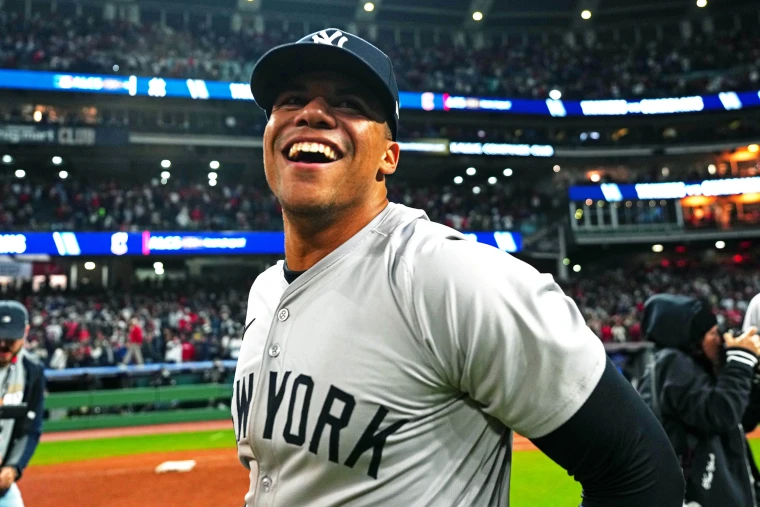
Money is always a big reason behind a juan soto trade. Soto is not only a star; he is also expensive. Teams must pay millions of dollars for his contract. A rich team may not mind, but a smaller team may not want to carry that load.
Also, contract years matter. If Soto only has one year left before free agency, teams might pay less to get him. But if he has more years under team control, the price goes higher. This is why money and contracts are always part of the story.
Fan reactions: hope, anger, and joy
Fans have strong feelings about a juan soto trade. Some fans feel hope, dreaming about playoffs and trophies if they get Soto. Other fans feel anger when their team gives him away, calling it a bad move. Many fans also feel both at the same time, since every trade has risk.
Social media becomes very loud when Soto’s name shows up in trade rumors. People share trade ideas, argue about value, and make memes. For fans, it is more than numbers—it is about love for the game and the players they cheer for.
Pros and cons for winners and rebuilding clubs
The pros of getting Soto are clear: more runs, more wins, and more fans in the stadium. The cons are the high price in money and prospects. If the team does not win soon, the trade can feel like a mistake.
For rebuilding clubs, the pros are fresh young talent and lower payroll. The cons are losing a star player that fans love to watch. Each side takes a risk, and that is what makes the story so exciting.
Step-by-step: how a juan soto trade happens
- Teams call each other and share ideas.
- Scouts and analysts check stats, health, and contract years.
- General managers talk numbers and players to swap.
- Owners give the green light if money is big.
- Media reports rumors, fans react online.
- A deal is made, and players change teams.
This process can take weeks or happen in just one day near the deadline.
What scouts and analysts look for

Scouts look at Soto’s swing, patience, and defense. Analysts check stats like OPS+, WAR, and even new metrics like exit velocity. Together, they decide if Soto is worth the trade cost. They also check the health of prospects in return.
This mix of numbers and real-game watching makes sure the trade is fair. A good front office uses both eyes and data.
Conclusion
A juan soto trade is not just about one player. It is about the present and the future of baseball teams. One team gets a superstar who can win games right now, while the other gets young talent and space to grow. The deal always brings mixed feelings, but it keeps the game exciting. Whether Soto moves this season or not, his name will stay in trade talks until a final deal is made.
FAQs
Q1: Why is a juan soto trade such a big deal?
Because Soto is one of the best hitters in baseball, and trading him can change a whole season.
Q2: Which teams could trade for him?
Big teams like the Yankees, Dodgers, or Mets are always in the mix, but any team with money and talent could try.
Q3: What do teams usually give up for him?
They give young prospects, pitchers, and sometimes money to match the value.
Q4: How do fans feel about a juan soto trade?
Fans are split—some feel excited, others feel sad or angry. It depends on which side of the deal their team is on.
Q5: Does money matter in a juan soto trade?
Yes, money and contract years play a huge role. Teams must decide if they can afford his salary long-term.