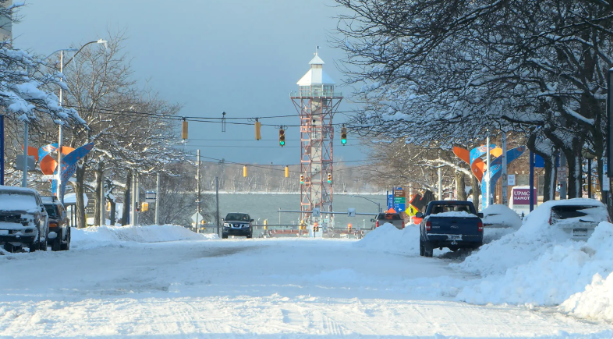
When people talk about heavy snowfall in the United States, one city often stands out — Erie, PA. The term “snowfall Erie PA” has become famous because this small Pennsylvania city has made headlines several times for record-breaking snow totals. Winter in Erie is unlike most places, bringing both challenges and charm. From snow-covered streets to winter sports opportunities, Erie’s snowfall shapes daily life in unique ways.
If you’ve ever wondered why Erie gets so much snow, how locals deal with it, and what visitors should know before planning a winter trip, this detailed guide will give you all the answers. Let’s dive into the story of Erie’s snowy winters.
Table of Contents
Why Does Erie, PA Get So Much Snow?
One of the biggest reasons for snowfall in Erie, PA is its location near Lake Erie. This body of water creates what is called the “lake-effect snow.” When cold Arctic air moves over the warmer lake water, it picks up moisture. As the air travels inland, the moisture turns into snow.
Because Erie is right on the lake’s southern shore, the city receives an incredible amount of this lake-effect snow every winter. Depending on wind direction, Erie can get snowstorm after snowstorm within a short period, adding up to several feet of snow.
In some winters, Erie’s snowfall has topped 100 to 200 inches, making it one of the snowiest cities in the country.
Record-Breaking Snowfall in Erie
Erie has gained national attention many times for its unbelievable snow totals. For example:
- In December 2017, Erie set a U.S. record for the most snowfall in a single city in 24 hours — nearly 34 inches fell on Christmas Day. By the next day, the total was 65 inches in just 48 hours.
- Some winters bring smaller amounts, but Erie’s seasonal average is still much higher than most U.S. cities.
These record-breaking events have made “snowfall Erie PA” a trending topic in news reports, weather blogs, and social media.
How Erie Residents Cope with Heavy Snow
Living in Erie means winter preparation is a way of life. Residents have developed routines to deal with the constant snow.
- Snowplows are always active, keeping major roads clear even during blizzards.
- Schools and businesses sometimes close, but many people are used to driving carefully in winter conditions.
- Homeowners own snowblowers and shovels, ready for daily clearing.
Despite the challenges, locals have a strong community spirit. Neighbors often help each other dig out cars, clear sidewalks, or check on elderly residents.
Winter Activities in Erie, PA
While heavy snowfall can create problems, it also brings opportunities for fun. Erie turns into a winter wonderland where outdoor activities are popular:
- Skiing and snowboarding at nearby resorts.
- Snowshoeing and hiking in Presque Isle State Park.
- Ice fishing on frozen parts of Lake Erie.
- Sledding and tubing for families at local hills.
For many residents, snow is not just a challenge but also a reason to celebrate the season.
Travel Tips for Visiting Erie in Winter
If you’re planning a trip to Erie during its snowy months, here are some useful tips:
- Check weather forecasts before traveling, especially if storms are expected.
- Drive carefully and make sure your vehicle has snow tires or chains.
- Dress warmly, with layers, hats, gloves, and waterproof boots.
- Plan indoor activities too, like visiting the Erie Art Museum, local breweries, or shopping centers in case of severe storms.
Erie’s winter weather can be unpredictable, but with preparation, visitors can enjoy the beauty of the snow without too many problems.
The Economic Impact of Snowfall in Erie
Snowfall in Erie, PA, affects more than just daily life — it has an impact on the local economy.
- Tourism increases in winter because of skiing, snowboarding, and winter festivals.
- Businesses selling snow gear and equipment see higher sales.
- On the other hand, transportation delays and snow removal costs can strain city budgets.
The community has learned to balance the positives and negatives, making snowfall part of its identity.
Snowfall and Erie’s Community Spirit
One of the most heartwarming parts of winter in Erie is how the snow brings people together. During record-breaking storms, neighbors shovel driveways for each other, schools organize food drives, and community centers open to provide warmth and shelter.
Snow may cover the city in white, but it also highlights the kindness and resilience of Erie’s residents.
Climate Change and Future of Erie’s Snowfall
A big question many people ask is: Will Erie always get this much snow? Scientists say climate change may affect snowfall in complex ways. Warmer lake temperatures can produce more lake-effect snow in the short term. But in the long run, if winters continue to warm, Erie might experience more rain and less snow.
This means future snowfall patterns could look very different from today’s historic totals.
Why People Love and Hate Erie’s Snow
Snowfall in Erie, PA, often brings mixed feelings.
- Some people love the snow, finding beauty in the sparkling landscapes and excitement in outdoor activities.
- Others find it stressful, with constant shoveling, icy roads, and winter fatigue.
But whether you love it or hate it, one thing is certain: snow is part of Erie’s character, and it makes the city unique.
Conclusion
The story of snowfall in Erie, PA is more than just weather statistics. It’s about how a city has adapted to one of the snowiest climates in America. From record-breaking blizzards to community resilience, Erie shows that snow can both challenge and inspire.
Whether you’re a visitor planning a winter trip, a weather enthusiast tracking snowfall records, or simply curious about life in snowy cities, Erie is an example of how people live with — and sometimes thrive in — extreme winter conditions.
FAQs
Q1: How much snow does Erie, PA, usually get each year?
Erie’s seasonal average is around 100–120 inches, though some winters bring much more.
Q2: What was Erie’s biggest snowstorm?
The December 2017 blizzard dropped 65 inches in just two days, setting a U.S. record.
Q3: When does the snow season start in Erie?
Snow typically begins in late November and can last until March or April.