V taper is one of the most admired body shapes in fitness. A V taper happens when your shoulders are broad, your back is wide, and your waist is slim. Many people work hard to get this look because it makes the upper body look strong and powerful. If you want a V taper, you need to focus on exercises that target your back, shoulders, and core. It is not just about lifting heavy weights but also about doing the right exercises with good form. Along with exercise, eating the right food and keeping a proper routine helps you reach your goal faster. Even beginners can start small and build their V taper step by step. Consistency is key, and small improvements every day can create a big V taper over time.
Getting a V taper also requires understanding which exercises work best for your body. Pull-ups, lat pulldowns, and rows are great for building a wider back. Shoulder exercises like lateral raises and overhead presses help make your shoulders appear broader. Alongside strength training, you should maintain a healthy waist by doing core exercises and controlling body fat. Cardio and proper nutrition are important to keep the waist slim. Remember, a V taper is not just about looking good but also about building strength and improving posture. With the right plan, dedication, and patience, anyone can achieve a noticeable V taper and feel more confident in their fitness journey.
What Is a V Taper and Why It Matters for Fitness
V taper is a body shape where the upper body forms a V-like shape. Broad shoulders and a narrow waist make this shape possible. A V taper is important because it gives a strong and athletic appearance. It also improves posture and makes clothes look better. Many bodybuilders and fitness models work on V taper because it enhances their overall physique. A strong back and shoulders also make daily activities easier, like lifting objects or carrying weight.
Achieving a V taper is not just for looks. It shows that your upper body strength is balanced. People with a V taper often have strong lats, shoulders, and core muscles. Developing these muscles reduces the risk of injuries and improves overall fitness. Understanding what a V taper is can help you focus on the right exercises and nutrition to reach your goal faster.
Best Back Exercises to Build a V Taper
The back is the main area that makes your V taper visible. A wider back creates the top of the V shape. Some of the best exercises for the back include:
- Pull-ups – These are great for building wide lats.
- Lat Pulldowns – Perfect for beginners who cannot do many pull-ups.
- Seated Rows – Helps make the middle back strong.
- Dumbbell Rows – Works both the back and biceps.
Doing these exercises 2–3 times a week can help you gradually widen your back. Focus on form, not just heavy weights. Proper form ensures muscles grow evenly and reduces injury risk.
Shoulder Workouts for a Wider Look and V Taper Effect
Strong shoulders add to the top width of the V taper. The wider your shoulders, the more noticeable your taper looks. Key exercises for shoulders include:
- Overhead Press – Builds overall shoulder strength.
- Lateral Raises – Widens the shoulders.
- Front Raises – Adds thickness to the front delts.
- Rear Delt Fly – Strengthens the back of the shoulders for balance.
Adding these exercises to your routine will make your shoulders look bigger and more defined. Consistency is key, and you should train shoulders at least once or twice a week.
Core Training Tips to Slim Your Waist for a V Taper
A slim waist makes your V taper more visible. Core exercises reduce fat and strengthen muscles around your waist. Some effective exercises are:
- Planks – Builds core stability.
- Leg Raises – Strengthens lower abs.
- Russian Twists – Targets obliques.
- Bicycle Crunches – Works the entire core.
Along with these exercises, keeping a healthy diet is important to reduce body fat. Avoid sugary drinks and junk food. Eat protein, vegetables, and whole grains to keep your waist slim.
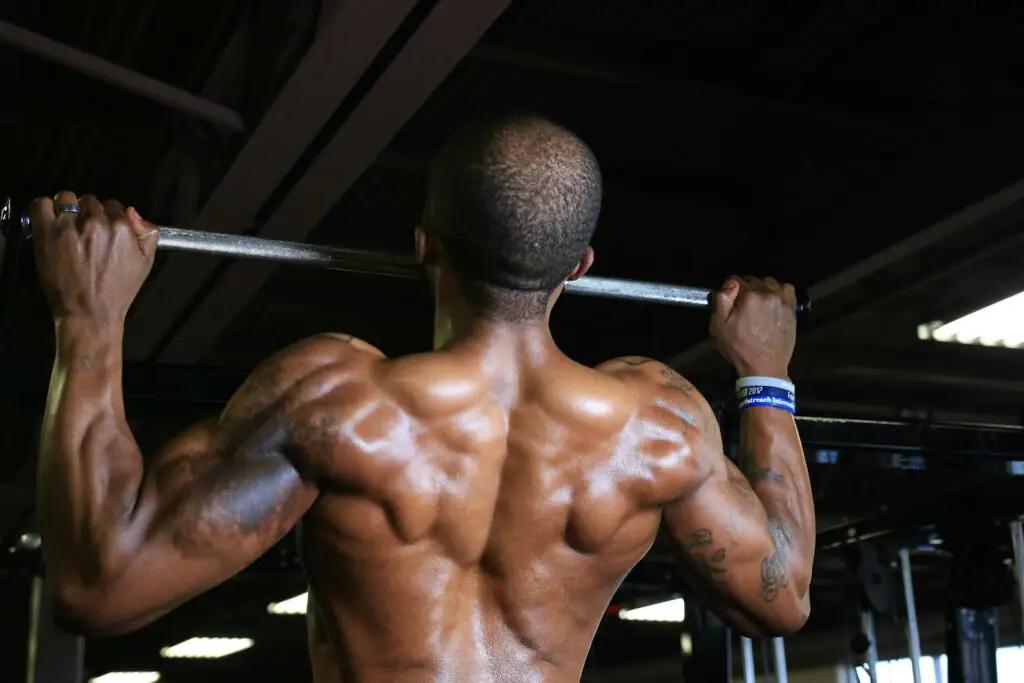
How Pull-Ups Help You Achieve a V Taper Fast
Pull-ups are the most effective exercise for a V taper. They target the lats, biceps, and upper back muscles. Doing pull-ups regularly makes your back wider and stronger. Beginners can start with assisted pull-ups or bands and gradually increase reps.
Pull-ups also improve grip strength and posture. They help balance upper body strength and make your V taper noticeable. Doing pull-ups 3 times a week with proper form can give visible results in a few months.
Lat Pulldowns and Rows: Key Moves for a Strong V Taper
Lat pulldowns are similar to pull-ups but easier for beginners. They allow controlled movement to build wide lats. Rows, either with dumbbells or cables, strengthen the middle back and make your back look thick and strong.
Both exercises are important because a V taper requires width and thickness in the back. Combining pull-ups, lat pulldowns, and rows ensures balanced muscle growth for a perfect V taper.
Nutrition Tips to Support Your V Taper Goals
Exercise alone is not enough to build a V taper. Nutrition plays a big role in muscle growth and fat loss. Tips include:
- Eat high-protein foods like chicken, eggs, fish, and beans.
- Include healthy fats like nuts, avocado, and olive oil.
- Eat vegetables and fruits for vitamins and minerals.
- Drink plenty of water to stay hydrated.
Avoid processed foods and sugary snacks. A clean diet helps you build muscle and keep your waist slim for a better V taper look.
Cardio and Fat Loss Tips to Enhance Your V Taper
Cardio exercises reduce body fat, making your V taper more visible. Some simple cardio activities include:
- Jogging or running
- Cycling
- Swimming
- Jump rope
Doing cardio 3–4 times a week helps burn fat while keeping muscles intact. Combining cardio with strength training gives the best results for a strong and visible V taper.
Common Mistakes to Avoid While Trying for a V Taper
Many beginners make mistakes that slow their progress. Some common errors include:
- Lifting too heavy without proper form
- Ignoring core exercises
- Not eating enough protein
- Skipping rest days
Avoiding these mistakes ensures steady progress. Focus on consistency and proper technique for better results.
How to Track Progress While Building a V Taper
Tracking progress motivates you to continue. Tips to monitor your V taper progress include:
- Take weekly photos
- Measure shoulder and waist width
- Record your workouts and reps
- Notice strength improvement
Tracking helps you see improvements and adjust your routine if needed.
Home Workouts for Beginners to Start V Taper Training
You don’t need a gym to start building a V taper. Some home exercises include:
- Pull-ups on a bar or door
- Push-ups for shoulders and chest
- Dumbbell rows using household items
- Planks and core exercises
Home workouts are perfect for beginners and help build a foundation before moving to heavier weights.
Maintaining Your V Taper: Long-Term Fitness Tips
Once you achieve a V taper, maintaining it is important. Tips include:
- Keep training back, shoulders, and core regularly
- Maintain a balanced diet
- Include rest days for recovery
- Avoid skipping workouts for long periods
Consistency is the key to keeping your V taper strong and noticeable for years.
Conclusion
A V taper is a strong and athletic body shape that many fitness enthusiasts want. It requires wide shoulders, a strong back, and a slim waist. Achieving it is possible with the right exercises, nutrition, and dedication. Pull-ups, rows, lateral raises, and core exercises play a major role in building a V taper. Cardio and a healthy diet also help reduce body fat, making the taper more visible. Tracking progress and avoiding common mistakes ensures steady improvement. Whether you are a beginner or experienced, consistent effort and patience can help you get a noticeable V taper and improve both strength and confidence.
FAQs
Q1: How long does it take to build a V taper?
A: It depends on your current body type and consistency. Beginners may see visible changes in 3–6 months with regular training and proper diet.
Q2: Can I get a V taper at home without a gym?
A: Yes! Home exercises like pull-ups, push-ups, dumbbell rows, and planks can help build a V taper.
Q3: Should I focus more on back or shoulders?
A: Both are important. Wide shoulders and a strong back together create the V taper shape.
Q4: Do I need to lose weight to see a V taper?
A: Yes, reducing body fat around the waist makes the V taper more visible. Cardio and a healthy diet help.
Q5: How often should I train to build a V taper?
A: Training back, shoulders, and core 2–3 times a week, along with cardio 3–4 times a week, is effective.